How we designed a calmer dashboard
A behind-the-scenes look at the decisions that made our dashboard feel clear, fast and quiet instead of overwhelming.
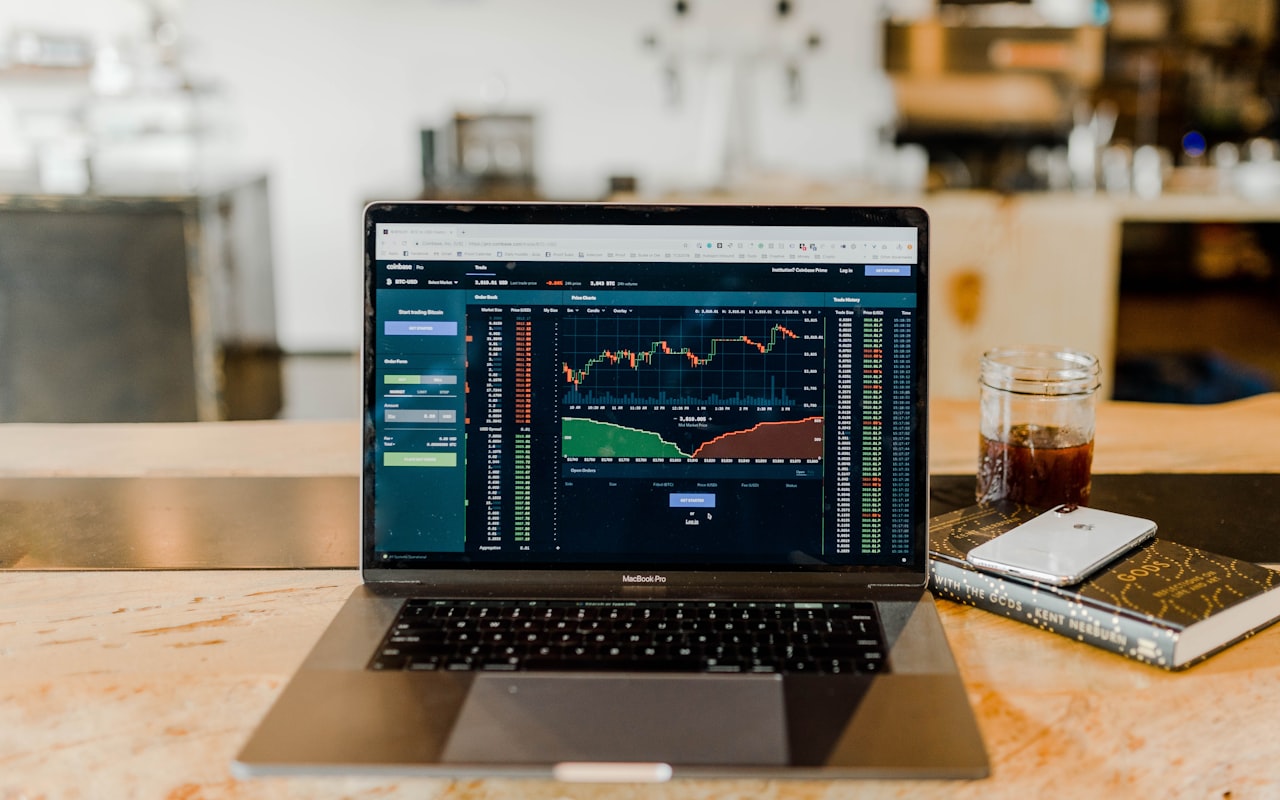
When we started Cirrus, our first dashboard had everything. Twelve charts, a transactions feed, a goals tracker, a net-worth widget — all on one screen. It was comprehensive. It was also exhausting.
So we threw it out and started with a different brief: what’s the one thing a person needs to feel the moment they open the app?
Lead with a feeling, not a number
The answer wasn’t a number. It was reassurance. People open a finance app slightly tense, half-expecting bad news. So the first thing Cirrus shows is a calm summary — balance, trend, and a single sentence of plain-language context — before any chart loads.
Hide complexity, not information
There’s a difference between an app that’s simple and an app that’s shallow. We wanted simple. Every detailed view is still there; it’s just one tap away instead of fighting for attention on the home screen.
We used three rules:
- One primary action per screen. If everything is emphasised, nothing is.
- Progressive disclosure. Show the summary; let people drill in when they want.
- Plain language over jargon. “You’re spending faster than last month” beats a velocity coefficient.
Make speed a feature
Calm and slow are not the same thing. A laggy interface feels stressful no matter how pretty it is. We budget every screen to interactive in under a second, and we animate transitions just enough to feel smooth — never enough to make you wait.
The best compliment we get isn’t “it looks great.” It’s “I actually don’t dread opening it.”
What we’d tell our past selves
Start with restraint. It’s far easier to add a chart people ask for than to remove one they’ve grown used to. The hard part of finance design isn’t fitting everything in — it’s deciding what to leave out.